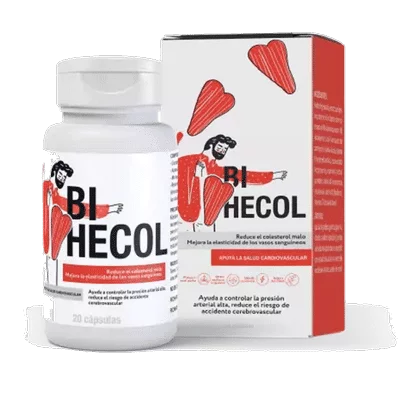
Bihecol is an oral food supplement in capsule form. It is for adults who want to support healthy cholesterol levels and cardiovascular wellbeing. It aims to support lipid metabolism and blood-vessel elasticity as part of a heart-healthy routine.
Description
Bihecol Food Supplement is marketed as a cholesterol-support supplement for adults, most often positioned around reducing “bad” cholesterol and helping maintain normal circulation. In practice, supplements in this category are used alongside lifestyle measures like dietary fat quality, fibre intake, weight management, and physical activity rather than as stand-alone therapy.
Some people also look at cholesterol supplements when they cannot tolerate prescription lipid-lowering medicines, or when their lab numbers are borderline and they prefer a nutraceutical approach first. A key point is that a food supplement is regulated differently from a medicine, so the way benefits are presented and validated is not the same as for prescription products.
If you already have recent lipid results, note your LDL, HDL, triglycerides, and non-HDL cholesterol before starting any supplement. It makes it easier to judge whether your routine is actually moving the numbers.
Composition
Bihecol is a nutraceutical cholesterol-support product formulated as an oral dosage form. Typical composition includes active lipid-support nutrients (such as plant sterols/stanols, soluble fiber components, and antioxidant vitamins) plus excipients like fillers, binders, anti-caking agents, and a capsule or tablet matrix.
Dosage and usage
Use Bihecol in adults as an adjunct to diet and lifestyle measures to support maintenance of normal cholesterol and triglyceride levels. It is intended for routine, daily oral use and may be considered during periods of increased dietary fat intake or when additional support for lipid metabolism and vascular function is desired.
How it works
Route: oral
Dose: 500 mg per dose
Frequency: 2 times/day
Timing: take with meals (morning and evening)
Duration: 8–12 weeks, then reassess; may be continued if tolerated
Indications
Indicated for dietary support in adults with borderline or mildly elevated cholesterol parameters who need additional help maintaining normal lipid values. Suitable as supportive use alongside lifestyle modification to promote healthier lipid metabolism and support vascular function. Not intended to replace prescribed lipid-lowering therapy when it is required.
Contraindications
Known allergy to any capsule ingredient
Pregnancy or breastfeeding unless advised by a clinician
Active liver disease or unexplained persistent elevation of liver enzymes
Concomitant use of warfarin or other anticoagulants when closer monitoring cannot be ensured
History of severe reactions to herbal/nutraceutical products
Drug-interaction watch list in pharmacy practice includes anticoagulants (bleeding risk), some antiplatelets, thyroid replacement (absorption timing), and diabetes medicines (because lifestyle and supplement changes can shift glucose patterns). If you take multiple long-term medicines, keep your medication list updated during clinic visits.
When this is not for you
This is not for you if you have ever had an allergic reaction to supplement ingredients, or if you are pregnant or breastfeeding unless your clinician has okayed it. Avoid it if you have active liver problems or unexplained abnormal liver tests. Be especially cautious if you take blood thinners like warfarin, thyroid medicine, or diabetes tablets, because supplement changes can affect monitoring results and medicine stability.
Side effects
With nutraceuticals used for lipid support, the most common tolerability issues people report in day-to-day use are gastrointestinal: bloating, reflux, nausea, changes in stool frequency, or a “heavy” feeling after the dose. Sensitive users sometimes get headaches or sleep disruption, often linked to taking capsules late in the evening or combining them with caffeine-heavy routines.
More serious reactions are uncommon but possible with any supplement, mainly allergy-type reactions (rash, itching, swelling) or unexpected effects from interactions with prescription medicines. If you are on anticoagulants like warfarin, even small shifts in diet or supplement routines can change INR stability; this is a classic pharmacist “spot the pattern” issue when a previously stable patient starts trending out of range. EMA safety communications repeatedly stress the interaction burden of polypharmacy, and supplements can be part of that burden even when they feel harmless. [3]
Common mistakes
The mistakes below are the ones that most often lead to disappointment or side effects with cholesterol supplements:
Using Bihecol as a replacement for prescribed statins or other lipid-lowering therapy in high-risk patients (prior stroke, heart attack, diabetes with high risk, chronic kidney disease).
Starting multiple new supplements in the same week, then being unable to tell what caused stomach upset or headaches.
Taking capsules late at night and then blaming the product for reflux or poor sleep.
Ignoring alcohol intake and ultra-processed foods while expecting a supplement to “cancel” diet effects.
Skipping follow-up labs for months, so there is no objective way to judge response.
If you are changing your cholesterol routine, change one thing at a time for 2–3 weeks. It makes side effects and benefits much easier to interpret.
What doctors say
Clinicians usually view cholesterol supplements as an “adjunct tool,” best suited to lower-risk adults who are already doing the basics—diet changes, consistent exercise, and repeat lab checks. In clinics, doctors often see two patterns: people with mild dyslipidaemia who want extra support, and people with higher risk who need prescription therapy but still ask for something they can add for motivation.
A practical doctor point: LDL lowering that meaningfully reduces cardiovascular events is typically achieved with therapies proven in outcome trials; nutraceuticals may shift lipid markers modestly, but they are not a substitute for guideline-driven care. Another clinical nuance doctors mention is adherence—some patients stick with a supplement because it feels simpler, but they stop monitoring blood pressure, HbA1c, or lipids, and then the whole plan becomes guesswork.
Some people prefer “natural.” Risk is still biological.
Frequently asked questions
Is Bihecol used to treat diabetes?
Bihecol is positioned as a food supplement for cholesterol and cardiovascular support, not as a diabetes medicine. If any advertising frames it as diabetes treatment, that crosses into medical-claim territory that regulators like FDA Ghana restrict for non-medicinal products. For diabetes, WHO guidance in 2026 continues to prioritise proven interventions: nutrition, weight management, physical activity, glucose monitoring, and prescribed medicines when indicated.
How long does it take to see changes in cholesterol numbers?
Cholesterol markers usually shift slowly because lipid balance reflects weeks of diet, activity, and metabolism. Many clinicians schedule lipid re-checks after several weeks to a few months of stable changes, since random short-term testing can mislead. EMA lipid-management materials discuss that LDL is a long-term risk marker and trends matter more than single readings. [4]
Can I take Bihecol with a statin?
In practice, many people combine a cholesterol supplement with a statin, but the key issue is interaction risk and duplicating side effects like stomach upset. Keep your routine stable, and avoid changing several heart-related products at once, so any new symptom has a clear cause. If you use a statin and develop new muscle pain, dark urine, or severe fatigue, that needs urgent clinical assessment because statin-associated muscle injury is time-sensitive.
Who should avoid Bihecol?
Avoid Bihecol if you have a known allergy to its ingredients, if you are pregnant or breastfeeding unless advised by a clinician, or if you have active liver disease. People on warfarin or similar anticoagulants should be cautious because supplement changes can destabilise INR control. FDA Ghana public health messaging in 2026 continues to emphasise responsible use of health products and appropriate claims in advertising. [5]
What should I do if I get stomach upset?
First, adjust the way you take it: use a full glass of water and take it with a meal, not with coffee alone. Give it several days, since mild GI effects often settle when the body adapts. If symptoms are intense (persistent vomiting, swelling, widespread rash), treat it as a potential allergy or intolerance and seek clinical care.
Does Bihecol replace diet and exercise?
No—supplements work best as support, not as a substitute for lifestyle measures that drive cardiovascular risk down. Reducing saturated and trans fats, increasing fibre, and keeping activity consistent have predictable effects on lipid markers and blood pressure. WHO prevention guidance for 2026 keeps lifestyle foundations at the centre, with medicines added based on risk and targets.
Bihecol: Reviews and Experiences
K
Kwame, 52
Accra
Using for 8 weeks
Verified
Rating: 4.2 out of 5
I used it with diet changes and walking after dinner. My stomach felt a bit gassy in the first week, then settled. I repeated my lipid test at about two months and my LDL was lower, but the bigger change came from cutting fried foods.
5 May 2026
A
Akosua, 39
Kumasi
Using for 4 weeks
Verified
Rating: 3.4 out of 5
No dramatic effect, but I felt fine on it. I liked that it didn’t make me sleepy. I only realised I was taking it too late at night when reflux started.
16 May 2026
Y
Yaw, 61
Takoradi
Using for 12 weeks
Verified
Rating: 3.6 out of 5
I was already on blood pressure tablets. I added Bihecol and kept my routine steady. My numbers improved slightly, but my doctor still wanted me to focus on weight and salt because those moved the needle more.
27 Apr 2026
E
Esi, 46
Tema
Using for 10 days
Verified
Rating: 4.5 out of 5
I stopped early because I got nausea after the dose. It may have been because I took it with coffee and no breakfast. When I tried again with food, it was better, but I decided to pause until my next lab review.
23 May 2026
Sources
Food and Drugs Authority (FDA Ghana) (2026). Public notice on unapproved advertisements and online sale of health products with unauthorised claims.
World Health Organization (WHO) (2026). Cardiovascular disease prevention and risk reduction: guidance on diet, physical activity, and cardiometabolic risk.
European Medicines Agency (EMA) (2026). Safety information on medicine–supplement interactions and monitoring considerations in polypharmacy.
European Medicines Agency (EMA) (2026). Clinical guidance summary on lipid management targets and interpretation of LDL trends.
Food and Drugs Authority (FDA Ghana) (2026). Public health communication on responsible use of health products and advertising claims.