Verified
The warmth came on in about 5–10 minutes and helped my calves feel less tight. I liked that it absorbed fast and didn’t leave my hands greasy after washing.
12 Apr 2026

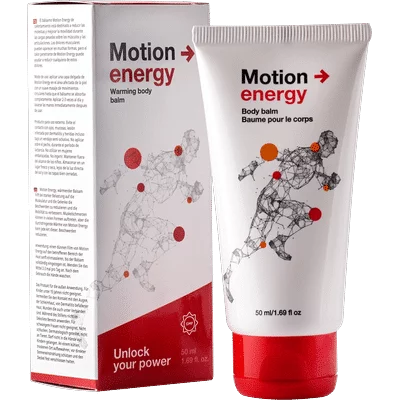
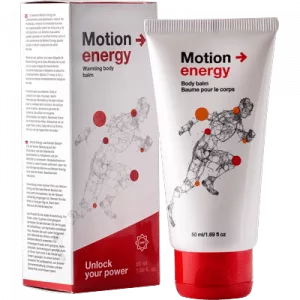
Motion Energy is a topical warming balm for muscle and joint discomfort. It is for adults who want targeted support after strain, stiffness, or overuse. It works by creating a local warming sensation that helps relax tight areas and improve comfort with movement.
Motion Energy is a Warming Balm for Muscles and Joints. It is used as a topical, comfort-focused product for people who feel muscle tightness, post-activity soreness, or joint stiffness that makes normal movement feel less enjoyable.
The main goal is practical: ease local discomfort, encourage relaxed movement, and support the “joy of movement” during daily activities, work, or training. Motion Energy is applied to the skin over the affected area, so the effect is local rather than whole-body like a tablet.
The Active Principles of Motion Energy are built around a warming, counterirritant-style effect on the skin—creating a heat sensation that can reduce the perception of deeper soreness and help tight muscles relax.
Camphor is one of the best-known topical warming agents used in rubs for aches and pains. EMA assessment work on herbal and traditional topical preparations describes how counterirritant and rubefacient ingredients act locally on the skin to produce a warming sensation that many users experience as soothing for minor musculoskeletal discomfort [2].
Essential oils used in warming balms (often eucalyptus, ginger, rosemary, cinnamon-type oils) mainly contribute through scent, cooling/warming sensory shifts, and local comfort. People who are fragrance-sensitive should be cautious, since “natural” oils can still irritate.
Apply Motion Energy cream directly to intact skin over the muscle or joint area you want to soothe. Aim for a thin, even layer, then massage until it feels absorbed.
Warmth builds over minutes. Some people feel it faster.
Use your palm for broad areas (thigh, back, shoulder) and your fingertips for smaller spots (wrist, ankle). When the area is very tender, start with gentle circles, then increase pressure only if it stays comfortable.
A small trick that helps many people: massage “with the muscle fibres” (along the length of the muscle) for calves and forearms, and use circles for the lower back. This is not medical treatment, yet it often reduces the urge to over-rub one painful dot.
Follow the Instructions for Using Motion Energy provided by the seller’s product information for your pack. In routine use, warming balms are typically applied 1–3 times daily depending on need and skin tolerance, with enough time between applications to let the heat sensation settle.
Do not stack layers to chase stronger heat. More product can mean more irritation rather than better relief.
Motion Energy is commonly used in day-to-day situations where muscles and joints feel overworked rather than injured. Typical Indications for using Motion Energy include:
A key limitation: if pain is severe, the joint is hot and visibly swollen, you cannot bear weight, or there is a suspected fracture or dislocation, a balm is not the right tool for that moment.
If you want a similar goal—muscle and joint comfort—alternatives usually fall into a few categories: warming balms, cooling gels (often menthol-based), and oral pain relievers (like ibuprofen or paracetamol) for broader pain control. For supplements, some people look at magnesium products for muscle function; one example seen in the market is ENZYMEDICA Magnesium Motion, which targets nutritional support rather than topical warming.
Below is a practical comparison by category, since topical balms and oral medicines work in different ways.
| Option type | What it’s best for | Key trade-off |
|---|---|---|
| Motion Energy (warming balm) | Local muscle tightness, post-activity soreness, “stiff” joints | Can irritate skin if overused |
| Cooling gel (menthol-type) | Fresh, cooling comfort for minor aches | Cooling may feel unpleasant in cold weather |
| Oral analgesic (NSAID/paracetamol) | More widespread pain or inflammatory pain | Systemic side effects and drug interactions |
Topicals are popular because they keep the effect local. Oral painkillers can be stronger, yet they carry stomach, kidney, blood pressure, or liver considerations depending on the ingredient and your health profile.
Avoid Motion Energy if you know you react to camphor, fragrances, or essential oils, as it may trigger redness, itching, or a rash. Do not use it on damaged, inflamed, or infected skin, and keep it away from sensitive areas like eyes, mouth, and genital skin. Do not trap it under tight coverings or combine it with heat sources (like heating pads), and do not use it for babies or young children.
Most side effects with topical warming products are skin-related and happen where you applied Motion Energy.
Possible effects include:
Stop using it if you develop a spreading rash, hives, facial swelling, blistering, or intense burning. These reactions are uncommon, yet they need prompt attention.
One more practical detail: if you apply and then touch your eyes, it can sting badly. Wash hands with soap, not just water.
Using a balm is simple, yet a few patterns come up repeatedly.
One sentence I tell people often: skin comfort sets the limit. If the skin becomes very red, painful, or blistered, the application was too intense.
In clinical practice, prescribers and physiotherapists often describe warming balms as “mechanical helpers”: they do not repair a joint, yet they can make movement more comfortable so people keep gently active instead of guarding the area. This matters because prolonged guarding can tighten surrounding muscles and worsen stiffness over days.
From a musculoskeletal point of view, warmth can reduce the feeling of tightness by relaxing superficial muscle and changing local sensation through the skin’s heat receptors. WHO materials on self-care for musculoskeletal discomfort support the idea of using simple, non-invasive measures (like topical heat) as part of symptom management for minor aches and strains when used sensibly [1].
One limitation I see often: people expect a balm to replace rest, hydration, and load management. It will not. Motion Energy works best when it supports a sensible plan—lighter activity for a few days, gradual return to full intensity, and attention to posture or technique.
