
Verified
I liked having one fixed point in my morning routine. I still kept my meal plan, and I did not change my prescribed tablets. The first few days caused mild stomach rumbling, which settled when I took it after food.
6 Oct 2026

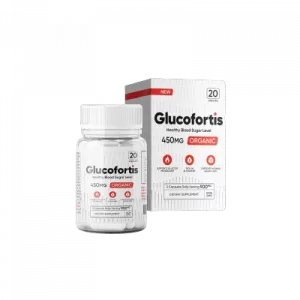
Insunorm is an oral capsule food supplement for adults seeking nutritional support for healthy blood-glucose control and metabolic balance. It is intended to complement sensible eating and regular monitoring, not replace diabetes treatment prescribed for an established diagnosis. The product is supplied as a bottle containing 20 capsules and is used as part of a daily wellness routine [1].
Insunorm may suit adults who want additional support while working on meal planning, physical activity, weight management, or other habits linked with metabolic health. Blood-glucose regulation involves insulin release, liver glucose production, muscle glucose uptake, digestion, sleep, stress, and medication use. A capsule cannot correct every factor involved.
Insunorm is intended for adults. It may be considered by people focusing on:
People already using glucose-lowering treatment need extra care because combining a supplement with prescription or non-prescription products can alter glucose control. A supplement should not be used to change insulin, metformin, sulfonylurea, or other diabetes-treatment doses.
Insunorm is classified as a food supplement and is provided in capsule form. The product information identifies its purpose as “Sugar Control,” supporting a focus on nutritional and metabolic wellness rather than treatment of a named disease.
The product category supports a careful approach to composition:
Food and supplement regulation differs from the approval pathway used for prescription diabetes medicines. The Food and Drugs Authority Ghana oversees food and health-product regulation in Ghana, while the WHO describes diabetes care as a combination of lifestyle measures, monitoring, and clinically appropriate treatment [2].
Insunorm capsules are taken orally with water. The serving should be decided individually, taking age, other medicines, and health conditions into account.
Use the product as part of a consistent routine:
A person taking glucose-lowering medicine should monitor for symptoms such as unusual sweating, shaking, weakness, dizziness, confusion, or a racing heartbeat. These symptoms can occur with low blood glucose and require prompt attention, especially when several glucose-affecting products are used together. NICE guidance places self-monitoring and treatment decisions within the person’s wider diabetes-care plan rather than treating supplements as a substitute for established therapy [3].
Consistency is more useful than taking capsules at irregular times. Linking the capsule with an established routine, such as breakfast or an evening meal, can reduce forgotten servings, provided the timing suits the individual’s health plan.
Do not open, crush, or chew a capsule unless the product instructions specifically allow it. Changing the capsule may affect taste, digestion, or how the contents are released. A missed serving does not justify taking two capsules together.
The length of use should be individualized. Factors include age, dietary pattern, glucose readings, other supplements, prescription medicines, kidney or liver function, pregnancy status, and the reason for using the product.
Long-term use should not be assumed to be suitable simply because Insunorm is a food supplement. A clinician or diabetes-care team should review continued use when a person has diabetes, prediabetes, recurrent abnormal readings, or several medicines. The same applies when symptoms appear after starting or stopping the capsules.
Insunorm is an oral capsule food supplement for adults seeking nutritional support for healthy blood-glucose control and metabolic balance. It is used alongside sensible eating, physical activity, and regular monitoring, and does not replace prescribed diabetes treatment.
Insunorm may suit adults who want additional support while working on meal planning, physical activity, weight management, or other habits linked with metabolic health. It may be considered by people focusing on:
Insunorm occupies a nutritional-support role. Prescription treatment and lifestyle measures have different purposes, evidence bases, and monitoring requirements.
| Approach | Main role | Key limitation |
|---|---|---|
| Insunorm food supplement | Supports a daily metabolic-health routine | Not a replacement for diagnosed diabetes treatment |
| Nutrition and physical activity | Helps influence weight, insulin sensitivity, and glucose patterns | Requires sustained participation and individual adjustment |
| Prescription glucose-lowering treatment | Treats diabetes through a defined pharmacological mechanism | Requires clinical selection, monitoring, and attention to adverse effects |
For diagnosed diabetes, prescription treatment may be necessary even when diet and supplements are used. WHO guidance describes diabetes management as a structured process involving cardiovascular-risk reduction, glucose control, education, and follow-up. A supplement can sit alongside that plan only when its use fits the person’s medicines and health status.
The main potential advantage of Insunorm is convenience within a daily routine. The limitation is equally clear: a food supplement does not provide the predictable dosing and disease-specific evidence expected from a prescription glucose-lowering treatment. People should judge its role by monitored health outcomes, not by the presence of a capsule alone.
Extra caution applies to:
Insunorm is not for you if you have a known allergy to one of its ingredients, if swallowing capsules is unsafe, or if a clinician has told you to avoid a component of the product. It also requires specific medical review when used alongside glucose-lowering treatment.
Children should not use the product unless specifically directed by a qualified clinician. Adults with persistent thirst, frequent urination, unexplained weight loss, slow-healing wounds, or recurrent infections need medical assessment rather than relying on a supplement routine.
Insunorm may be tolerated without difficulty by many adults, yet food supplements can still cause unwanted effects. Possible problems include stomach discomfort, nausea, bloating, loose stools, constipation, headache, dizziness, or sensitivity to one of the ingredients.
Tolerability may be affected by taking the capsule without food, combining it with several supplements, or using it alongside medicines that already influence glucose. Symptoms such as sweating, tremor, blurred vision, confusion, or marked weakness deserve prompt attention because they can indicate low blood glucose, especially in a person taking insulin or another glucose-lowering medicine.
Stop using the product and seek urgent medical care for facial swelling, breathing difficulty, widespread hives, fainting, severe vomiting, or confusion. These symptoms may indicate a serious reaction or a significant metabolic problem. EMA safety principles for medicinal and health products place special emphasis on recognising allergic reactions and clinically significant adverse effects early [4].
One detail that is easy to miss: dizziness after a new supplement is not automatically a harmless adjustment effect. It may reflect low glucose, dehydration, a blood-pressure change, or an interaction with another product.
Another practical point concerns driving. Do not drive or operate machinery if dizziness, blurred vision, weakness, confusion, or shakiness develops after taking Insunorm.
Several habits can make a supplement routine less useful or less safe:
A common real-world error is changing three variables at once: diet, exercise, and several supplements. If glucose readings then change, it becomes difficult to identify the cause. One change at a time produces a clearer record.
Another is judging the product by appetite or energy alone. Those sensations do not show whether glucose control has improved. HbA1c, fasting glucose, post-meal readings, and clinical symptoms provide more useful information.
Clinicians generally view a sugar-control supplement through three questions: what is the person trying to improve, what medicines are already being used, and what measurable change will guide continuation?
A doctor may accept Insunorm as a supportive part of a lifestyle routine when the person understands its limits and reports it alongside other products. The clinical focus remains glucose readings, blood pressure, weight, kidney function, cardiovascular risk, and symptoms. A capsule should never be used as a reason to postpone testing for diabetes. Testing can identify changes that symptoms alone may not reveal. Results should guide discussion with the diabetes-care team.
For adults with diagnosed diabetes, treatment plans may involve HbA1c testing, kidney assessment, eye screening, foot checks, nutrition advice, and medication review. WHO and national diabetes guidance support this broader approach rather than relying on a single supplement.
The most useful expectation is modest and practical: Insunorm may fit a person’s nutritional routine, but its value must be assessed alongside measurable health information. If readings remain outside the agreed range, the next step is treatment review, not simply taking more capsules.
Insunorm should not be assigned a fixed duration of action comparable to a prescription glucose-lowering medicine. The product is a food supplement, and its effects cannot be predicted from a single capsule in the same way as a defined pharmaceutical dose. WHO guidance published in 2022 supports monitoring glucose and clinical outcomes rather than assuming that one supplement serving provides all-day control. Individual response may depend on meals, medicines, activity, and health status.
There is no universal course length that applies to every adult using Insunorm. The duration should reflect the person’s age, medicines, health conditions, glucose pattern, and reason for taking the product. NICE guidance for type 2 diabetes management, updated in 2022, places treatment decisions within ongoing review rather than automatic long-term continuation. Continued use should be reassessed when symptoms, medicines, pregnancy status, or glucose readings change.
A food supplement does not generally require a tapering schedule in the way some prescription medicines do, though individual ingredients can affect this decision. Stopping may remove any supportive role the product had within a daily routine, but it should not cause a person to stop prescribed diabetes treatment. WHO diabetes guidance from 2022 supports maintaining the wider care plan and monitoring glucose when routines change. Seek medical assessment if stopping is followed by marked thirst, frequent urination, vomiting, confusion, or very abnormal readings.
A known allergy to an ingredient rules out use. Pregnancy, breastfeeding, severe kidney or liver disease, recurrent hypoglycaemia, and treatment with insulin or other glucose-lowering medicines require individual clinical review before use. EMA good pharmacovigilance practice guidance from 2017 supports checking for contraindications, allergies, and interactions before adding health products to an existing regimen. Severe symptoms such as breathing difficulty, fainting, confusion, or persistent vomiting require urgent care rather than further doses.
Your order will be securely packed and shipped within 24 hours. This is exactly what your package will look like (images of an actual item sent). It has the size and look of a regular private letter (24x11x0.7 cm) and its contents cannot be seen.