
Verified
I used the gel after evening showers and made sure I dried between my toes first. The itching reduced after several days, though the peeling took longer than I expected.
9 Aug 2026

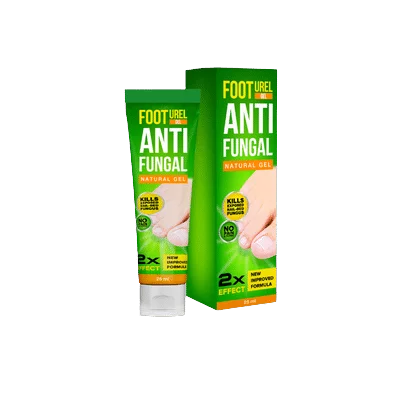
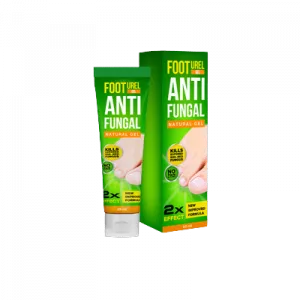
Footurel Gel is a topical antifungal gel for adults with athlete’s foot symptoms affecting the skin of the feet. It supports local antifungal care and helps relieve itching, scaling, peeling, and irritation when applied to clean, dry skin.
Footurel Gel is a topical natural antifungal gel for fungal discomfort affecting the skin of the feet. It is intended for adults with itching, scaling, peeling, or irritation consistent with athlete’s foot and belongs to the category of external topical antifungal products.
The gel format can suit areas where a heavy ointment would feel uncomfortable, such as between the toes. Letting the product dry before covering the foot reduces rubbing and helps prevent a damp, occluded environment.
The article does not list a specific active ingredient or other components.
The Food and Drugs Authority Ghana advises consumers to use topical health products only for their intended external purpose and to stop use if a product causes clear irritation or an allergic-type reaction [3].
Use Footurel Gel only on clean, fully dry external skin. A thin film is enough; applying a thick layer does not make a topical product work faster and can leave skin overly damp.
A practical application routine includes:
Do not stop the routine simply because itching eases after a few applications. The discomfort may improve first, while fungal activity and skin scaling take longer to resolve. Skipping applications after exercise or bathing is one of the most common reasons topical care appears to fail.
A missed application does not require doubling the next amount. Resume the normal application schedule. More gel is not better.
Footurel Gel is an antifungal gel designed for external use on affected foot skin. Its gel texture spreads easily across areas where moisture and friction often worsen discomfort, including between the toes, along the sole, and around the sides of the foot.
Athlete’s foot, also called tinea pedis, is a superficial fungal infection that commonly causes itching, scaling, cracking, redness, or a burning sensation. Footurel Gel is intended for mild, local fungal discomfort affecting the skin of the feet.
The product is intended for skin on the feet. It should not be used in the eyes, mouth, or on deep wounds.
The World Health Organization identifies superficial fungal infections as common skin conditions that benefit from early recognition and appropriate local care [1].
Topical treatment has a practical advantage: it targets the affected skin directly and does not expose the whole body to a systemic medicine. Its limitation is equally practical. A gel must reach the affected skin regularly, and moisture control still matters.
| Treatment approach | Main role | When it is commonly considered |
|---|---|---|
| Footurel Gel topical care | Local care for fungal discomfort on foot skin | Mild, local itching, scaling, or peeling |
| Standard topical antifungal medicine | Direct antifungal action on superficial skin infection | Confirmed or strongly suspected athlete’s foot |
| Oral antifungal medicine | Systemic treatment prescribed by a clinician | Extensive, recurrent, or nail-involving fungal disease |
Nail Fungus Treatment is different from ordinary skin treatment because the nail plate is dense and slow growing. A topical gel may be useful for fungal discomfort on surrounding skin, while thickened, yellow, crumbling, or lifting nails need a clinical assessment. Cochrane evidence on fungal infections of feet and nails shows that treatment choice depends on whether infection involves skin, nail, or both [2].
This is not for you if you have a known allergy to one of its ingredients, open or deeply damaged foot skin, or signs of a more serious infection such as pus, fever, spreading redness, swelling, or severe pain. People with diabetes, reduced foot sensation, ulcers, or poor circulation should obtain clinical guidance before using it. Pregnant or breastfeeding users, young children, and people using prescription skin treatments should seek individual advice before starting a new antifungal gel.
Mild temporary stinging, warmth, dryness, or redness can occur when a gel is applied to already cracked or inflamed skin. Persistent burning, swelling, blistering, widespread rash, or increasing pain suggests irritation or sensitivity rather than expected recovery.
The Food and Drugs Authority Ghana advises consumers to stop use if a topical health product causes clear irritation or an allergic-type reaction. Do not combine several medicated foot products on the same area unless a clinician has advised it, since overlapping products can make it difficult to identify what is causing stinging, redness, or peeling.
The most frequent mistake is applying antifungal care to damp skin. Water left between the toes dilutes the routine and supports the environment fungi prefer.
Other avoidable mistakes include:
Foot care should also include clean socks each day and enough time for footwear to air out. If shoes remain wet inside after exercise, changing the sock alone may not solve the problem.
Clinicians often see athlete’s foot return because the skin was treated but the daily moisture pattern was unchanged. Damp footwear, repeated use of unwashed socks, and rushing through drying between the toes can undermine an otherwise sensible routine.
A clinician would first look at the pattern. Scaling between the toes and itch after sweating may fit athlete’s foot. Thick, discoloured nails, a painful swollen toe, or a spreading rash may point to a different or more extensive issue. The European Medicines Agency describes antifungal therapy as dependent on infection site and severity, which is why skin and nail complaints are assessed differently [4].
Footurel Gel may fit a local foot-skin routine when symptoms are mild and limited. It is not a substitute for assessment of persistent symptoms, recurrent infections, or foot problems in someone with diabetes. A clinician may also examine footwear habits because re-exposure inside shoes is a frequent practical cause of recurrence.
Footurel Gel is an antifungal gel intended for external fungal discomfort on foot skin. Athlete’s foot often presents with itching, peeling, scaling, or whitish soggy skin between the toes. The CDC described these symptoms in its 2024 guidance on ringworm and tinea infections. Use the gel consistently as part of a dry-foot routine, rather than applying it only when itching becomes intense [5].
Nail fungus can cause thickening, yellow or white discolouration, crumbling edges, and separation of the nail from the nail bed. Footurel Gel is a topical gel for foot skin, while nail involvement may need a different treatment plan because medication penetrates the nail poorly. A 2012 Cochrane review distinguishes superficial skin infection from fungal nail disease when discussing treatment choices. Persistent nail changes deserve clinical assessment, especially when pain or swelling is present.
Itching and surface irritation may begin to settle before scaling or cracking has fully cleared. The CDC’s 2024 fungal-skin guidance explains that symptom improvement does not always mean the infection has resolved. Continue the stated Footurel Gel routine rather than stopping immediately after the first improvement. If symptoms worsen or fail to improve, a clinician can confirm whether the cause is fungal.
The spaces between the toes are common sites for athlete’s foot because they stay warm and damp. Footurel Gel can be applied as a thin layer to affected external skin after careful drying. WHO guidance published in 2022 emphasises the role of moisture control in preventing superficial fungal skin problems. Avoid sealing wet skin under a thick layer of product or tight footwear.
Using several products at once can increase moisture, rubbing, or irritation, especially if the skin is cracked. The Food and Drugs Authority Ghana’s 2023 consumer safety principles support using topical products for their intended purpose and stopping products that cause irritation. Keep foot care simple while treating an active rash. A clinician can advise when a second treatment is needed.
Seek assessment for pus, fever, rapidly spreading redness, severe pain, deep cracks, ulcers, swelling, or loss of sensation. People with diabetes or poor circulation should treat new foot changes with extra caution. A 2012 Cochrane review indicates that infection site and severity influence treatment decisions. Nail deformity, repeated recurrences, or failure of local care also warrant assessment.
Keep the tube tightly closed between uses and store it away from direct heat and moisture. Do not share the tube with another person during a fungal episode.
